Empowering Yourself Through Perimenopause: A Guide to Self-Advocacy and Pushing Back Against Medical Gaslighting
Empowering Yourself Through Perimenopause: A Guide to Self-Advocacy and Pushing Back Against Medical Gaslighting
- posted: Mar. 14, 2025
Perimenopause is a natural phase in a woman’s life that marks the transition towards menopause. For many, it begins in their late 30s or early 40s, and its effects can last for several years. Unfortunately, for too many women, this time is not just about hormonal changes but also about navigating a healthcare system that often overlooks or dismisses their symptoms. If you’re experiencing perimenopause and feeling unheard or misunderstood by your healthcare provider, you are not alone. Gaslighting, in which a person’s feelings, symptoms, or concerns are minimized or invalidated, is all too common when it comes to women’s health. The good news? You have the power to advocate for your own health and ensure that your voice is heard. Here’s how.
Understanding Perimenopause and the Need for Advocacy
Perimenopause can be a time of significant physical and emotional changes. Symptoms can vary widely, ranging from hot flashes, night sweats, and irregular periods to mood swings, sleep disturbances, and brain fog. For some, these symptoms may be mild, while for others, they can feel overwhelming and unpredictable. The problem is that many healthcare providers don’t take these symptoms seriously, or they attribute them to other causes, such as stress or depression.
This is where self-advocacy becomes essential. When navigating perimenopause, it’s crucial to have a strong voice and a clear understanding of your body’s changes so you can advocate for your health. Understanding your symptoms, tracking changes, and being persistent in seeking help are some of the most important tools in your advocacy toolkit.
How to Push Back Against Gaslighting in the Medical Field
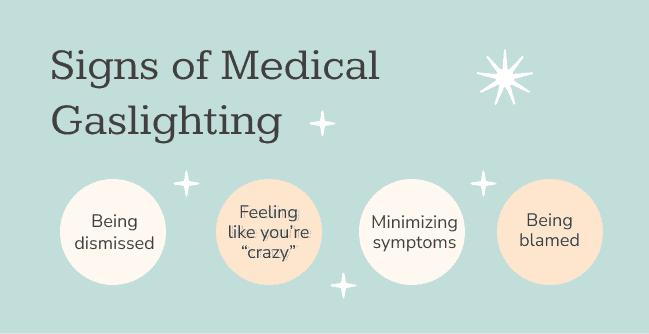
Gaslighting can occur in a variety of ways when it comes to women’s health, and perimenopause is no exception. It’s the experience of feeling like your symptoms aren’t real, valid, or worthy of treatment. Here are some steps to take to push back against this dismissive behavior and ensure that your health is taken seriously:
1. Educate Yourself About Perimenopause
Knowledge is power. Before you visit your healthcare provider, do some research on perimenopause, its symptoms, and treatment options. Familiarize yourself with medical literature, expert opinions, and personal stories from women who’ve been through it. The more informed you are, the better you’ll be at recognizing when your healthcare provider is downplaying your concerns.
A good starting point is the North American Menopause Society (NAMS) or the Mayo Clinic’s resources on perimenopause.
2. Keep a Symptom Journal
A powerful tool in advocating for your health is a symptom journal. Keep track of your symptoms, their severity, and how often they occur. This data can help you identify patterns and provide concrete evidence when speaking with your doctor. For example, if you're dealing with hot flashes, note how frequently they occur, the time of day, and any triggers. This makes it easier to describe your experience clearly and lets your doctor see the impact on your quality of life.
3. Speak Up About Your Concerns
It can be difficult, but don’t be afraid to voice your concerns. If a doctor dismisses your symptoms, speak up. Let them know how these symptoms are affecting your daily life and your mental health. For instance, if you're told that your mood swings are just "stress" or "just part of getting older," respond with how these mood swings are disrupting your relationships, work, and well-being. Remind them that hormonal changes during perimenopause are real, and their impact is profound. The doctor may be the medical expert in the space but, YOU are the expert on your own experience, and your body.
4. Demand Respect and Better Care
You deserve to be treated with respect and to have your symptoms taken seriously. If a healthcare provider dismisses your concerns, it may be time to find someone else. Don’t settle for inadequate care or unhelpful advice. A good doctor will listen, take your symptoms seriously, and work with you to find an appropriate treatment plan.
If you experience your concerns being brushed aside, you can assertively say, “I don’t believe my symptoms are being fully acknowledged. I need a more thorough evaluation.” You are your own best advocate.
5. Seek a Specialist
If you’re struggling to find a healthcare provider who is knowledgeable about perimenopause, consider seeking a specialist. A gynecologist, endocrinologist, or a menopause specialist may offer more expertise and understanding about the condition. Many healthcare providers do not have extensive training in menopause or perimenopause, so a specialist can provide more personalized care. Don’t know where to find one? Check out the Phases Clinic for a great local resource!
6. Know Your Rights
Familiarize yourself with your rights in the healthcare system. If you’re uncomfortable with the care you’re receiving, you don’t have to stick with it. It’s your health, and your body - you have the right to pursue the best care possible.
The Power of Community
While self-advocacy is crucial, it’s also helpful to tap into the strength of community. Sharing your experiences with other women who are going through similar health changes can provide validation, support, and practical advice. There are many online forums, social media groups, and local support networks for women navigating perimenopause. These communities offer a space to exchange stories, learn about treatment options, and feel less isolated in the journey.
Embrace Your Empowerment
Perimenopause doesn’t have to be a time of silence or suffering. By advocating for yourself, educating yourself, and standing up against medical gaslighting, you take control of your health and your future. It’s essential to remember that you know your body better than anyone else. If something feels wrong, don’t settle for vague answers. Demand answers, respect, and the care that you deserve.
In a healthcare system that often minimizes women’s health concerns, being a strong, vocal advocate for your own well-being is not just an act of self-care, it’s an act of empowerment. Let your voice be heard, and never back down from standing up for your health.
Empowering Yourself Through Perimenopause: A Guide to Self-Advocacy and Pushing Back Against Medical Gaslighting
- posted: Mar. 14, 2025
Perimenopause is a natural phase in a woman’s life that marks the transition towards menopause. For many, it begins in their late 30s or early 40s, and its effects can last for several years. Unfortunately, for too many women, this time is not just about hormonal changes but also about navigating a healthcare system that often overlooks or dismisses their symptoms. If you’re experiencing perimenopause and feeling unheard or misunderstood by your healthcare provider, you are not alone. Gaslighting, in which a person’s feelings, symptoms, or concerns are minimized or invalidated, is all too common when it comes to women’s health. The good news? You have the power to advocate for your own health and ensure that your voice is heard. Here’s how.
Understanding Perimenopause and the Need for Advocacy
Perimenopause can be a time of significant physical and emotional changes. Symptoms can vary widely, ranging from hot flashes, night sweats, and irregular periods to mood swings, sleep disturbances, and brain fog. For some, these symptoms may be mild, while for others, they can feel overwhelming and unpredictable. The problem is that many healthcare providers don’t take these symptoms seriously, or they attribute them to other causes, such as stress or depression.
This is where self-advocacy becomes essential. When navigating perimenopause, it’s crucial to have a strong voice and a clear understanding of your body’s changes so you can advocate for your health. Understanding your symptoms, tracking changes, and being persistent in seeking help are some of the most important tools in your advocacy toolkit.
How to Push Back Against Gaslighting in the Medical Field
Gaslighting can occur in a variety of ways when it comes to women’s health, and perimenopause is no exception. It’s the experience of feeling like your symptoms aren’t real, valid, or worthy of treatment. Here are some steps to take to push back against this dismissive behavior and ensure that your health is taken seriously:
1. Educate Yourself About Perimenopause
Knowledge is power. Before you visit your healthcare provider, do some research on perimenopause, its symptoms, and treatment options. Familiarize yourself with medical literature, expert opinions, and personal stories from women who’ve been through it. The more informed you are, the better you’ll be at recognizing when your healthcare provider is downplaying your concerns.
A good starting point is the North American Menopause Society (NAMS) or the Mayo Clinic’s resources on perimenopause.
2. Keep a Symptom Journal
A powerful tool in advocating for your health is a symptom journal. Keep track of your symptoms, their severity, and how often they occur. This data can help you identify patterns and provide concrete evidence when speaking with your doctor. For example, if you're dealing with hot flashes, note how frequently they occur, the time of day, and any triggers. This makes it easier to describe your experience clearly and lets your doctor see the impact on your quality of life.
3. Speak Up About Your Concerns
It can be difficult, but don’t be afraid to voice your concerns. If a doctor dismisses your symptoms, speak up. Let them know how these symptoms are affecting your daily life and your mental health. For instance, if you're told that your mood swings are just "stress" or "just part of getting older," respond with how these mood swings are disrupting your relationships, work, and well-being. Remind them that hormonal changes during perimenopause are real, and their impact is profound. The doctor may be the medical expert in the space but, YOU are the expert on your own experience, and your body.
4. Demand Respect and Better Care
You deserve to be treated with respect and to have your symptoms taken seriously. If a healthcare provider dismisses your concerns, it may be time to find someone else. Don’t settle for inadequate care or unhelpful advice. A good doctor will listen, take your symptoms seriously, and work with you to find an appropriate treatment plan.
If you experience your concerns being brushed aside, you can assertively say, “I don’t believe my symptoms are being fully acknowledged. I need a more thorough evaluation.” You are your own best advocate.
5. Seek a Specialist
If you’re struggling to find a healthcare provider who is knowledgeable about perimenopause, consider seeking a specialist. A gynecologist, endocrinologist, or a menopause specialist may offer more expertise and understanding about the condition. Many healthcare providers do not have extensive training in menopause or perimenopause, so a specialist can provide more personalized care. Don’t know where to find one? Check out the Phases Clinic for a great local resource!
6. Know Your Rights
Familiarize yourself with your rights in the healthcare system. If you’re uncomfortable with the care you’re receiving, you don’t have to stick with it. It’s your health, and your body - you have the right to pursue the best care possible.
The Power of Community
While self-advocacy is crucial, it’s also helpful to tap into the strength of community. Sharing your experiences with other women who are going through similar health changes can provide validation, support, and practical advice. There are many online forums, social media groups, and local support networks for women navigating perimenopause. These communities offer a space to exchange stories, learn about treatment options, and feel less isolated in the journey.
Embrace Your Empowerment
Perimenopause doesn’t have to be a time of silence or suffering. By advocating for yourself, educating yourself, and standing up against medical gaslighting, you take control of your health and your future. It’s essential to remember that you know your body better than anyone else. If something feels wrong, don’t settle for vague answers. Demand answers, respect, and the care that you deserve.
In a healthcare system that often minimizes women’s health concerns, being a strong, vocal advocate for your own well-being is not just an act of self-care, it’s an act of empowerment. Let your voice be heard, and never back down from standing up for your health.